Heart disease remains the leading cause of death globally, accounting for approximately 17.9 million deaths annually according to the World Health Organization. With such alarming statistics, knowing when to get your heart checked becomes crucial. One of the most effective diagnostic tools available is the Treadmill Stress Test, commonly known as TMT (Treadmill Test). But who actually needs this examination? If you’re searching for a TMT test in Bangalore or anywhere else, this doctor-approved checklist will help you determine whether this cardiac screening is necessary for you.
Understanding when to undergo a treadmill test can be the difference between early detection and a potentially life-threatening cardiac event. Let’s explore the specific circumstances and risk factors that make this test essential for your heart health.
What Exactly Is a Treadmill Test?
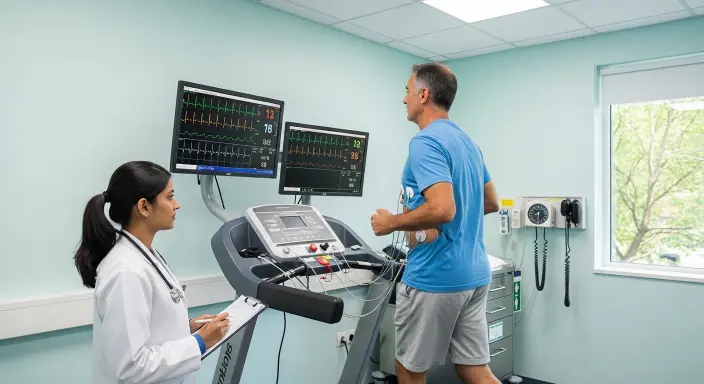
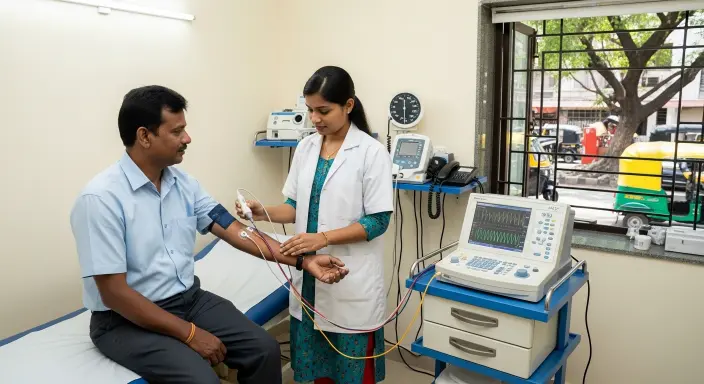
Before diving into who needs this test, let’s understand what it involves. A Treadmill Stress Test is a non-invasive cardiac examination that monitors your heart’s performance during physical exercise. During the procedure, you walk on a treadmill while medical professionals monitor your heart rate, blood pressure, breathing, and electrocardiogram (ECG) readings.
The test typically lasts 10-15 minutes and gradually increases in intensity. It helps doctors identify:
- Coronary artery disease
- Irregular heart rhythms (arrhythmias)
- Heart valve problems
- Exercise capacity and fitness levels
- Effectiveness of cardiac treatments
According to the American Heart Association, exercise stress testing has an accuracy rate of approximately 65-70% in detecting significant coronary artery disease, making it a valuable first-line diagnostic tool.
The Doctor-Approved Checklist: Who Needs a Treadmill Test?
1. Individuals Experiencing Chest Pain or Discomfort
If you experience chest pain, pressure, tightness, or discomfort—especially during physical activity—you should consider cardiac evaluation. These symptoms could indicate angina or other heart conditions.
Red flags include:
- Pain radiating to the arms, jaw, or back
- Shortness of breath accompanying chest discomfort
- Chest pressure that worsens with exertion
A study published in the Journal of the American College of Cardiology found that approximately 40% of patients with stable chest pain had obstructive coronary artery disease detectable through stress testing.
2. People with Multiple Cardiac Risk Factors
You should seriously consider scheduling a TMT test in Bangalore or your local area if you have two or more of these risk factors:
- High blood pressure (≥140/90 mmHg)
- High cholesterol (total cholesterol >240 mg/dL)
- Diabetes mellitus (especially Type 2)
- Smoking (current or recent history)
- Obesity (BMI >30 kg/m²)
- Sedentary lifestyle
- Family history of premature heart disease
The Framingham Heart Study, one of the longest-running cardiovascular studies, demonstrated that individuals with multiple risk factors have exponentially higher chances of developing heart disease compared to those with single risk factors.
3. Men Over 40 and Women Over 50 Planning to Start Vigorous Exercise
If you’re middle-aged or older and planning to begin a new, intense exercise regimen, medical clearance through stress testing is advisable. The American College of Sports Medicine recommends stress testing for:
- Men ≥45 years old
- Women ≥55 years old
- Anyone with cardiac risk factors before starting vigorous exercise programs
This precaution helps prevent exercise-induced cardiac events, which, while rare, can occur in undiagnosed individuals with underlying heart conditions.
4. Diabetic Patients Over 35
Diabetes significantly increases cardiovascular disease risk. The American Diabetes Association suggests that diabetic patients over 35 years old, especially those with additional risk factors, should consider cardiac screening.
Research indicates that people with diabetes are 2-4 times more likely to develop heart disease than non-diabetic individuals. Furthermore, diabetic neuropathy may mask typical cardiac symptoms, making objective testing even more critical.
5. Individuals with Unexplained Fatigue or Shortness of Breath
Unusual tiredness, especially during activities you previously handled easily, or breathlessness disproportionate to exertion level warrants investigation. These subtle symptoms can indicate:
- Reduced cardiac output
- Early heart failure
- Coronary insufficiency
- Valvular heart disease
6. People with Irregular Heartbeats
If you experience palpitations, racing heartbeat, or irregular rhythm—particularly during physical activity—stress testing can help identify exercise-induced arrhythmias. According to cardiology research, approximately 50% of significant arrhythmias manifest or worsen during exercise.
7. Pre-operative Cardiac Assessment
Before major non-cardiac surgery, especially in high-risk patients, stress testing helps assess cardiac reserve and perioperative risk. The American College of Cardiology/American Heart Association guidelines recommend functional capacity assessment for certain surgical candidates.
8. Following a Heart Attack or Cardiac Procedure
Post-myocardial infarction (heart attack) or after procedures like angioplasty or bypass surgery, stress testing helps:
- Evaluate treatment effectiveness
- Determine safe exercise levels
- Detect residual ischemia
- Guide cardiac rehabilitation programs
Typically, this test is performed 4-6 weeks after the cardiac event or procedure, as recommended by cardiologists.
9. Occupational Requirements
Certain professions require regular cardiac clearance due to the nature of work and public safety concerns:
- Pilots and air traffic controllers
- Commercial drivers
- Firefighters and law enforcement officers
- Military personnel
These occupational screenings often mandate periodic stress testing to ensure cardiovascular fitness for demanding duties.
10. Patients with Strong Family History of Heart Disease
If you have first-degree relatives (parents, siblings) who experienced premature heart disease (men <55 years, women <65 years), you have elevated genetic risk. Proactive screening through stress testing, especially when combined with other risk factors, is medically prudent.
When You Might NOT Need a Treadmill Test
It’s equally important to understand when this test isn’t necessary:
- Young, healthy individuals without risk factors
- People with recent normal stress test results (typically valid for 2-3 years)
- Those unable to walk on a treadmill (alternative tests available)
- During acute illness or unstable cardiac conditions
What to Expect When Booking Your Test
If you’ve determined you need cardiac evaluation and are looking for a TMT test in Bangalore or elsewhere, here’s what to expect:
Preparation includes:
- Wearing comfortable walking shoes and loose clothing
- Avoiding heavy meals 2-3 hours before
- Discussing current medications with your doctor
- Bringing your medical history and current prescriptions
Cost considerations: Prices vary by location and facility, but in Bangalore, tests typically range from ₹1,500 to ₹4,000 depending on the hospital or diagnostic center.
Beyond the Test: Comprehensive Cardiac Care
Remember, a treadmill test is one component of comprehensive cardiac evaluation. Depending on results, your doctor may recommend:
- Echocardiography
- Coronary angiography
- Advanced lipid profiles
- Cardiac CT or MRI scans
- Nuclear stress testing
Conclusion
Determining who needs a treadmill test isn’t about creating unnecessary anxiety—it’s about smart, proactive healthcare. If you identify with any of the situations in this doctor-approved checklist, particularly if you have multiple risk factors or concerning symptoms, consult your physician about cardiac screening.
Early detection through tests like the TMT test in Bangalore and other locations can identify heart problems before they become critical, enabling timely intervention and potentially life-saving treatment. With heart disease claiming millions of lives annually, this simple, non-invasive test could be your first step toward better cardiovascular health.
Don’t wait for symptoms to worsen. If this checklist has raised concerns, schedule a consultation with your healthcare provider today. Your heart deserves attention—because prevention and early detection remain the most powerful tools in cardiac care.