
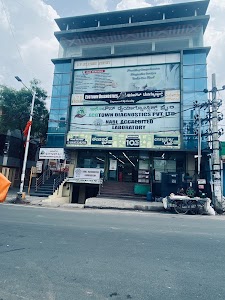
MRI Scan Centre in Bengaluru
Over 10,000 Scans Completed and Counting...
10,000 Scans Done
Serving our community for more than 9 years
5,00,000 Satisfied Clients
Our Comprehensive MRI Scan Services
| Test Name | Price (₹) | Book Now |
|---|---|---|
| MRI CERVICAL SPINE WITH WHOLE SPINE SCREENING | 12500 | #book-now-popup |
| MRI HAND | 7500 | #book-now-popup |
| MRI KUB | 7500 | #book-now-popup |
| MRI LEFT LEG | 7500 | #book-now-popup |
| MRI ABDOMEN ANGIO | 8500 | #book-now-popup |
| MRI BRAIN | 7500 | #book-now-popup |
| MRI BOTH KNEE JOINTS | 14000 | #book-now-popup |
| MRI Brain CSF Flow Study | 9000 | #book-now-popup |
| MRI Abdomen | 8000 | #book-now-popup |
| MRI BRACHIAL PLEXUS | 8000 | #book-now-popup |
| MRI Left Ankle Joint | 7500 | #book-now-popup |
| MRI Aortogram | 8500 | #book-now-popup |
| MRI Both Breast | 14500 | #book-now-popup |
| MRI Cardiac | 11000 | #book-now-popup |
| MRI Both Shoulders | 14500 | #book-now-popup |
| MRI Brain with DTI | 11000 | #book-now-popup |
| MRI Brain + Spectroscopy | 15000 | #book-now-popup |
| MRI Carotid Angio | 10000 | #book-now-popup |
| MRI Cervical Spine | 7500 | #book-now-popup |
| MRI Cervico-Thoracic Spine | 11000 | #book-now-popup |
| MRI CONTRAST | 3000 | #book-now-popup |
| MRI DORSAL SPINE | 7500 | #book-now-popup |
| MRI DORSAL SPINE WITH TOTAL SCREENING OF SPINE | 12500 | #book-now-popup |
| MRI Right Elbow Joint | 7500 | #book-now-popup |
| MRI FACE | 7500 | #book-now-popup |
| MRI FETAL | 10000 | #book-now-popup |
| MRI Fistulogram | 8000 | #book-now-popup |
| MRI FOOT | 7500 | #book-now-popup |
| MRI Forearm | 7500 | #book-now-popup |
| MRI Neck | 7500 | #book-now-popup |
| MRI Orbit | 7500 | #book-now-popup |
| MRI HIP JOINTS | 7500 | #book-now-popup |
| MRI HEEL | 7500 | #book-now-popup |
| MRI Pituitary / Sella | 7500 | #book-now-popup |
| MRI LEFT HIP JOINT | 7500 | #book-now-popup |
| MRI LEFT KNEE JOINT | 7500 | #book-now-popup |
| MRI Sacroiliac Joints | 7500 | #book-now-popup |
| MRI Scan of Tongue | 7500 | #book-now-popup |
| MRI Shoulder Joint | 7500 | #book-now-popup |
| MRI Lower Limb Angiography | 10500 | #book-now-popup |
| MRI Spectroscopy | 7500 | #book-now-popup |
| MRI Lumbar Spine | 7500 | #book-now-popup |
| MRI Temporal Bones | 7500 | #book-now-popup |
| MRI Temporomandibular Joints | 8500 | #book-now-popup |
| MRI Metastases Evaluation | 10000 | #book-now-popup |
| MRI NECK ANGIO | 10000 | #book-now-popup |
| MRI Right Shoulder Joint | 7500 | #book-now-popup |
| MRI Pelvis | 7500 | #book-now-popup |
| MRI PELVIS AND SCREENING OF HIP JOINT | 12500 | #book-now-popup |
| MRI PNS | 7500 | #book-now-popup |
| MRI Whole Spine | 10500 | #book-now-popup |
| MRI PIRIFORMIS MUSCLE WITH SI JOINT | 7500 | #book-now-popup |
| MRI Peripheral Angio | 10500 | #book-now-popup |
| MRI RIGHT ANKLE | 7500 | #book-now-popup |
| MRI Left Shoulder Joint | 7500 | #book-now-popup |
| MRI RIGHT HIP JOINT | 7500 | #book-now-popup |
| MRI Right Foot | 7500 | #book-now-popup |
| MRI Brain and TOF Angiography | 11000 | #book-now-popup |
| MRI Thumb | 7500 | #book-now-popup |
| MRI RIGHT KNEE JOINT | 7500 | #book-now-popup |
| MRI Lumbar spine with Whole spine screening | 12500 | #book-now-popup |
| MRI Upper Limb Angiography | 10500 | #book-now-popup |
| MRI S I JOINTS | 7500 | #book-now-popup |
| MRI Left Wrist | 7500 | #book-now-popup |
| MRI Sterno Clavicular Joint | 7500 | #book-now-popup |
| MRI Left Thigh | 7500 | #book-now-popup |
| MRI Right Forearm | 7500 | #book-now-popup |
| MRI Left Forearm | 7500 | #book-now-popup |
| MRI Thorax | 8000 | #book-now-popup |
| MRI TOF ANGIOGRAPHY | 5000 | #book-now-popup |
| MRI Soft Tissue | 7500 | #book-now-popup |
| MRI Both Thigh | 14500 | #book-now-popup |
| MRI Venogram | 5000 | #book-now-popup |
| MRI TONGUE | 7500 | #book-now-popup |
| MRI Thoraco Lumbar Spine | 11000 | #book-now-popup |
| MRI CERVICO-DORSAL SPINE | 11000 | #book-now-popup |
| MRI Urogram | 8000 | #book-now-popup |
| MRI ABDOMEN AND PELVIS | 14500 | #book-now-popup |
| MRI Thoracic Spine | 7500 | #book-now-popup |
| MRA | 5000 | #book-now-popup |
| MRI Venogram Both Lowerlimbs | 10500 | #book-now-popup |
| MRI RIGHT THIGH | 7500 | #book-now-popup |
| MRCP | 8500 | #book-now-popup |
| MRI LEFT FOOT | 7500 | #book-now-popup |
| MRI RIGHT WRIST | 7500 | #book-now-popup |
| MRI Both HIP Joints | 14500 | #book-now-popup |
| MRI Left Arm | 7500 | #book-now-popup |
| MRI WHOLE BODY | 42000 | #book-now-popup |
| MRI EXTENDED SCAN | 4500 | #book-now-popup |
| MRI SCREENING | 5000 | #book-now-popup |
| MRI SCREENING OF WHOLE SPINE | 5000 | #book-now-popup |
| MRI PITUTARY PROTOCOL WITH DYNAMIC CONTARST | 11000 | #book-now-popup |
What is an MRI Scan?
Magnetic Resonance Imaging (MRI) is a frequently recommended diagnostic test that uses strong magnetic fields and radio waves to capture high-quality images of organs, tissues, and bones.
An MRI scan is essential for doctors to diagnose a wide range of conditions. It surpasses CT scans by providing 3D images, offering greater depth and clarity for diagnosis.
Additionally, MRI is considered the safest imaging diagnostic tool, as it doesn’t involve radiation—unlike many other imaging tests, except for ultrasound.
The procedure takes about 30 minutes, though the duration can vary based on the condition and type of MRI ordered.
The advent of MRI technology has revolutionized diagnostic imaging, enabling healthcare professionals to accurately identify illnesses and recommend the most effective treatments. MRI scans are often ordered for chronic conditions.
The type of MRI scan recommended depends on the medical issue. Below are the most commonly ordered MRI scans:
- Functional MRI (fMRI): Used to observe brain activity by monitoring blood flow. This type is typically conducted to map functional areas of the brain.
- Magnetic Resonance Angiography (MRA): Utilizes contrast material to assess blood vessels, primarily for heart and soft tissue imaging.
- Magnetic Resonance Venography (MRV): Employs intravenous contrast dye to monitor veins, often used to identify causes of leg pain and other vein-related issues.
- Cardiac MRI: Specifically focuses on cardiovascular conditions, scanning the heart and its structures to diagnose heart-related issues.
Technology & Patient Care: A Winning Combination
The equipment, staff, and steps involved are different for each type of diagnostic X-ray procedure. However, they are all invaluable tools in detecting abnormalities and making early diagnosis of disease or injury.
Most routine X-rays do not require patients to prepare for the exam. However, special studies, such as contrast radiography or barium enemas, require patients to follow special instructions from the doctor.
Patients might be asked to make dietary changes leading up to the time of the exam. Patients might also be asked to leave jewelry at home, along with other metal objects that could interfere with the X-ray images. Patients might be asked to avoid using deodorants, body powders, or creams on the day of the appointment.
Patients will follow a different process depending on the diagnostic X-ray procedure. They might be asked to change into a gown or smock.
At the appointment, patients will meet X-ray professionals who are specially trained to help with the procedure:
A radiologist is a doctor who specializes in imaging the human body. A radiologic technologist is trained to operate the equipment and obtain X-ray images. A radiologic nurse monitors vital signs, administers medication, and provides patient care during the procedure. Once a patient has changed into the smock or gown, a technologist will escort him or her into the X-ray room to stand, sit, or lie on a table that is near an X-ray machine. An apron or shield might be placed over the patient’s body to protect sensitive organs during the exam.
The machine will take several X-rays, and the patient might be asked to adjust position during the test. It is important to remain still during each examination.
Patients might be asked to wait until the radiologist reviews images to be sure additional images aren’t needed. If the patient ingested a contrast medium or barium, it is important to drink plenty of liquid over the 24 to 48 hours following the scan to help pass the material.
The radiologist will review the images and send a report to the doctor, who will notify the patient of any findings.
Why Choose Ecotown Diagnostics?
Ecotown Diagnostics stands as one of the most trusted names in the diagnostics field, with a vast network of fully automated labs across major cities in India, equipped with cutting-edge technology.
Over 1,000 patients trust us with their tests each month
Patients save an average of ₹500 per scan
100% reliable and accurate reports
No Prescription? No Problem! Consult a doctor online
Exclusive Benefits with Ecotown Diagnostics
Dedicated support
Get up to X% extra discount on blood tests
Priority appointment scheduling for your scans
Patient Reviews
See what our patients are saying about their experience at Ecotown Diagnostics.
Good work by all the Staffs. Big thumps up for all.
Highly recommended.
The lab is clean and neat. The staff were friendly too. Overall it's a pleasant experience.
Waiting time was around 1h for the ultra sound scan. Rest of the tests were quick.
Reports were given on the same day eve.
How to Book an MRI Scan in Bengaluru?
Ecotown Diagnostics stands as one of the most trusted names in the diagnostics field, with a vast network of fully automated labs across major cities in India, equipped with cutting-edge technology.
Leave your name and phone number with us
We will contact you to understand your requirements
Lab details and charges will be shared with you over the call
We’ll book your test according to your preferred date and time
Frequently Asked Questions (FAQs)
What’s the Difference Between an MRI and a CT scan?
While both scans are used to diagnose similar issues, their methods differ. A CT scan uses multiple X-rays to image the body’s internal structures, whereas an MRI uses magnetic fields and radio waves. Since MRI doesn’t involve radiation, it’s considered safer and provides more detailed images.
Is MRI Harmful?
An MRI is safe and doesn’t emit harmful radiation. However, patients with certain implants, such as pacemakers, cochlear implants, or metal prosthetics, should avoid MRI scans.
What Are the Side Effects of an MRI?
There is no known side effects associated with MRI scans, making it one of the safest diagnostic imaging procedures.
Can an MRI Detect Arthritis?
Yes, MRI scans are often used to diagnose bone and joint issues, including osteoarthritis, by showing the extent of cartilage wear and tear.
Can an MRI Detect Eye Problems?
Yes, MRI can detect various eye conditions, such as anophthalmia, glaucoma, and age-related macular degeneration (AMD).
Can MRI Detect Inflammation?
With its detailed imaging, MRI is excellent for detecting inflammation, lesions, and erosion, particularly in soft tissue and bone.
Can I Drink the Night Before an MRI?
No, it’s advised not to eat or drink before an MRI scan. Alcohol should also be avoided before any medical tests.
Does an MRI Show Nerve Damage?
Yes, MRI can detect nerve damage, especially when combined with other neurological exams. It’s capable of identifying structural lesions that could lead to permanent nerve damage.
How Much Radiation Do You Get from an MRI?
None. MRI uses magnetic fields and radio waves, meaning there’s no exposure to radiation.
What Should You Not Do Before an MRI?
While MRI is very safe, follow these precautions: