Getting your health checked regularly is one of the most important steps toward maintaining your wellbeing. With the convenience of modern healthcare services, scheduling a home blood test in Bangalore has become remarkably simple. However, the accuracy of your test results depends significantly on how well you prepare. This comprehensive guide will walk you through everything you need to know about preparing for at-home blood testing, ensuring your results are as accurate and reliable as possible.
Understanding the Importance of Proper Preparation
Before diving into the specifics, it’s essential to understand why preparation matters. Blood tests are diagnostic tools that provide your healthcare provider with crucial information about your body’s functioning. From glucose levels to cholesterol counts, from kidney function to thyroid health, these tests paint a detailed picture of your internal health. When you opt for a home blood test, you’re choosing convenience without compromising on quality, but the results are only as good as your preparation allows them to be.
Improper preparation can lead to skewed results, which might cause unnecessary worry or, worse, mask underlying health issues. Whether you’re testing for routine checkups or specific health concerns, following proper preparation guidelines ensures that you and your doctor can make informed decisions based on accurate data.
The Fasting Protocol: What You Need to Know
Fasting is perhaps the most commonly discussed aspect of blood test preparation. When you schedule a home blood test in Bangalore, the healthcare provider will typically inform you whether fasting is required. But what exactly does fasting mean in this context?
When is Fasting Required?
Medical fasting for blood tests typically means abstaining from all food and beverages except water for a specified period, usually eight to twelve hours before your test. Common tests that require fasting include:
- Fasting blood glucose tests
- Lipid profile or cholesterol tests
- Comprehensive metabolic panels
- Basic metabolic panels
These tests measure substances in your blood that can be affected by recent food intake. Eating before these tests can cause temporary spikes in glucose, triglycerides, and other markers, leading to inaccurate results.
How to Fast Effectively
The key to successful fasting for your home blood test is planning. Schedule your test for early morning, ideally between seven and nine o’clock. This way, most of your fasting period occurs while you’re sleeping, making it more manageable.
Your last meal before fasting should be light and balanced. Avoid heavy, fatty, or sugary foods the night before your test. A simple dinner of lean protein, vegetables, and whole grains is ideal. After your designated cutoff time, consume nothing except plain water until your test is complete.
What About Medications?
This is a critical question that many people overlook. Generally, you should continue taking your regular medications unless specifically instructed otherwise by your doctor. However, when booking your home blood test, inform the service provider about all medications you’re taking, including over-the-counter drugs and supplements. Your doctor may advise adjusting the timing of certain medications or temporarily discontinuing others.
Hydration: The Often-Overlooked Essential
While you’re fasting from food, staying hydrated is not just permitted but strongly encouraged. Water plays a crucial role in ensuring successful blood collection and accurate results.
Why Hydration Matters
When you’re well-hydrated, your veins are more prominent and easier to locate, making the blood draw smoother and less uncomfortable. Dehydration can cause your blood to thicken slightly, making it harder to draw and potentially affecting certain test results. Additionally, proper hydration helps maintain your blood volume, ensuring the technician can collect the necessary sample without difficulty.
How Much Water Should You Drink?
In the twenty-four hours before your home blood test in Bangalore, aim to drink at least eight to ten glasses of water. On the morning of your test, continue drinking water as usual. There’s no need to overdo it, but don’t restrict your water intake either. Room temperature water is preferable, as it’s easier on your digestive system.
Avoid other beverages during your fasting period. This includes:
- Coffee and tea, even without sugar or cream
- Juice and other fruit drinks
- Soda and carbonated beverages
- Alcohol
- Energy drinks
These drinks can affect various blood markers and should be avoided during your fasting window.
The Do’s: Best Practices for Test Day
When the day of your home blood test arrives, following these best practices will help ensure everything goes smoothly.
Get Adequate Sleep
Aim for seven to eight hours of quality sleep the night before your test. Poor sleep can affect certain blood markers, including glucose and cortisol levels. Additionally, being well-rested makes the entire experience more comfortable.
Dress Appropriately
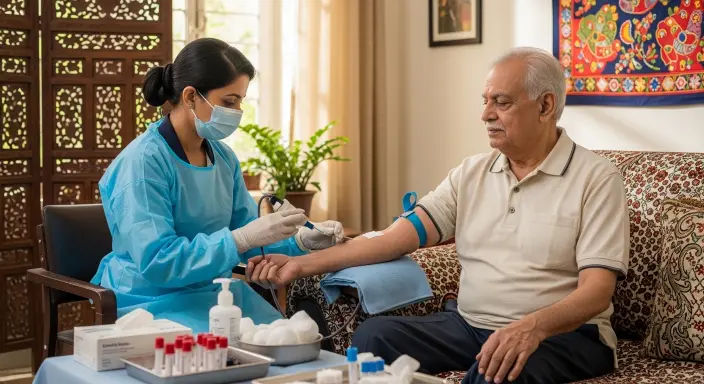
Wear loose-fitting clothing with sleeves that can be easily rolled up past your elbow. This provides easy access for the phlebotomist and keeps you comfortable during the procedure. Avoid tight sleeves or clothing that’s difficult to adjust.
Maintain Your Normal Routine
As much as possible, stick to your regular morning routine. If you typically shower in the morning, go ahead. If you usually take a short walk, that’s fine too. Moderate, normal activity is perfectly acceptable before your home blood test.
Keep Your Documentation Ready
Have your prescription or test requisition form readily available. If you have a medical history or are on specific medications, keep that information handy to share with the phlebotomist. This helps them understand your health context and handle your sample appropriately.
Stay Calm and Relaxed
Anxiety can temporarily affect blood pressure and other markers. Practice deep breathing or meditation if you feel nervous. Remember that the phlebotomist conducting your home blood test in Bangalore is a trained professional who performs these procedures routinely.
The Don’ts: What to Avoid
Equally important as knowing what to do is understanding what to avoid before your blood test.
Don’t Exercise Vigorously
While light activity is fine, avoid intense workouts within twenty-four hours of your test. Strenuous exercise can temporarily affect various blood markers, including muscle enzymes, electrolytes, and even glucose levels. Save your gym session or morning run for after your home blood test is complete.
Don’t Consume Alcohol
Avoid alcohol for at least twenty-four hours before your test, and preferably forty-eight hours. Alcohol can affect liver enzymes, blood sugar levels, and other important markers. Even if your test doesn’t directly measure these factors, it’s better to err on the side of caution.
Don’t Smoke
If you smoke, try to abstain for at least a few hours before your test. Smoking can affect various blood components and may impact your results. Use your home blood test as an opportunity to take a brief break from smoking.
Don’t Chew Gum or Use Mints
Even sugar-free gum and mints can trigger digestive processes that may affect your blood chemistry. Stick to water only during your fasting period.
Don’t Rush or Stress
Give yourself plenty of time on the morning of your test. Rushing can increase stress hormones and potentially affect certain results. When you’ve scheduled a home blood test in Bangalore, one advantage is that the service comes to you, eliminating travel stress.
Special Considerations for Different Types of Tests
Different blood tests may have specific requirements beyond general fasting guidelines.
Glucose Tolerance Tests
If you’re undergoing a glucose tolerance test, you’ll receive special instructions about consuming a glucose solution at specific intervals. Follow these instructions precisely for accurate results.
Hormone Tests
Some hormone tests are time-sensitive and should be performed at specific times of day. If your home blood test includes hormone panels, confirm the optimal timing with your healthcare provider.
Iron Studies
For iron studies, avoid iron supplements for twenty-four hours before your test, as they can artificially elevate results.
After the Blood Draw
Once your sample has been collected, you can break your fast. Have a nutritious meal ready and drink plenty of water. If you feel lightheaded, rest for a few minutes before resuming normal activities. The phlebotomist from your home blood test service will provide specific aftercare instructions.
Conclusion
Preparing for a home blood test in Bangalore doesn’t have to be complicated. By following these straightforward guidelines on fasting, hydration, and general preparation, you’re setting yourself up for accurate, reliable results that truly reflect your health status. Remember that proper preparation is a partnership between you and your healthcare providers. When in doubt, always consult with your doctor or the testing service about specific requirements for your particular tests.
The convenience of at-home blood testing combined with proper preparation creates the ideal scenario for maintaining your health through regular monitoring. By taking these preparation steps seriously, you ensure that every home blood test you undergo provides the most accurate and valuable information possible, empowering you and your healthcare team to make the best decisions for your wellbeing. Your health deserves this level of care and attention, and proper test preparation is a simple yet powerful way to invest in your long-term wellness.